Federal University Dutse
Centre for Climate Solutions and Carbon Economy
Advancing climate research, carbon asset development, and environmental intelligence for a sustainable future in semi-arid regions.
Advancing climate research, carbon asset development, and environmental intelligence for a sustainable future in semi-arid regions.
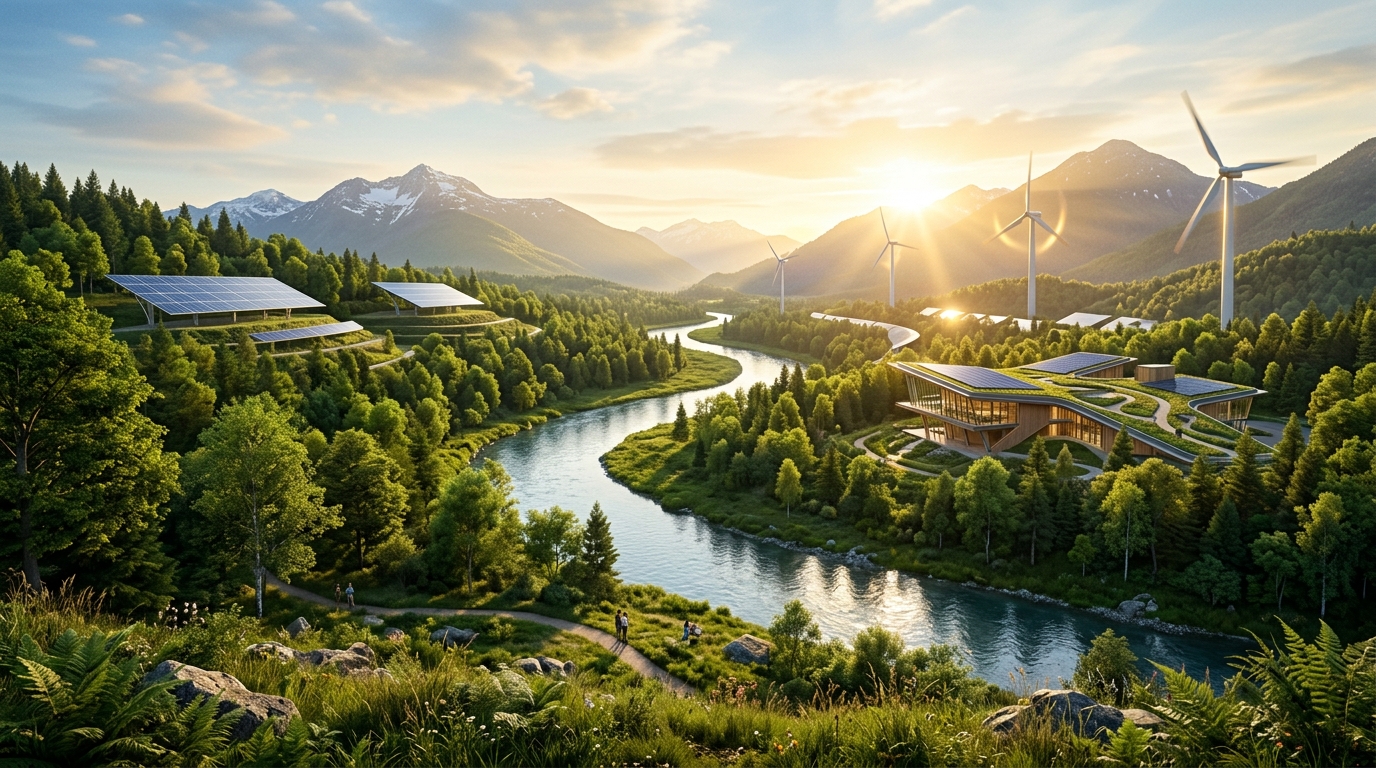
To become a leading African centre of excellence for climate solutions, carbon economy development, and sustainability innovation in semi-arid regions.
To advance interdisciplinary climate research, carbon asset development, digital environmental intelligence, policy support, enterprise innovation, and inclusive capacity building that collectively strengthen resilience, sustainability, and green economic transformation.
Guided by scientific excellence, integrity, innovation, inclusiveness, accountability, sustainability, interdisciplinarity, partnership, and practical impact to shape research, management, and public contribution.
To establish a world-class institutional platform for advancing climate solutions, carbon economy opportunities, environmental intelligence, policy support, and sustainable development within Federal University Dutse and beyond.
Driving impact through targeted goals
Conduct high-quality interdisciplinary research on climate change, vulnerability, resilience, and low-carbon development.
Develop and support carbon sequestration, restoration, and offset projects that can generate verifiable environmental and economic benefits.
Establish robust digital systems for climate monitoring, geospatial analysis, and Monitoring, Reporting and Verification (MRV).
Provide policy-relevant evidence, technical advisory services, and strategic support to government, institutions, and communities.
Deliver professional training, short courses, and postgraduate support in climate science, carbon finance, and sustainability management.
Attract grants, partnerships, investments, and consultancy opportunities that enhance the University's relevance and financial sustainability.
Support inclusive climate action through community engagement, youth development, and gender-responsive programming.
Position Federal University Dutse as a national and regional leader in climate solutions and carbon economy innovation.
Six mutually reinforcing thematic areas of focus
Climate variability analysis, vulnerability assessment, extreme events, drought monitoring, flood risk analysis, and resilience modelling for dryland and semi-arid contexts.
Afforestation, agroforestry, soil organic carbon enhancement, wetland restoration, biodiversity-linked carbon interventions, and climate-smart landscape design.
Carbon accounting, project design, climate finance readiness, offset markets, benefit-sharing, green enterprise models, and investment mobilisation.
Geospatial systems, digital monitoring platforms, environmental databases, satellite-based tracking systems, and MRV tools for climate projects.
Short courses, executive training, certifications, technical workshops, and postgraduate research support in sustainability and environmental governance.
Evidence-based support to government agencies, private sector, and civil society on climate action plans, carbon readiness, and sustainability reporting.
Institutional structure and leadership team
The Centre operates as a recognised University Centre under approved regulations, ensuring technical flexibility for partnerships and interdisciplinary programming. An Advisory Board, comprising internal and external experts, provides strategic guidance. A central Administration and Operations Unit supports daily functioning.

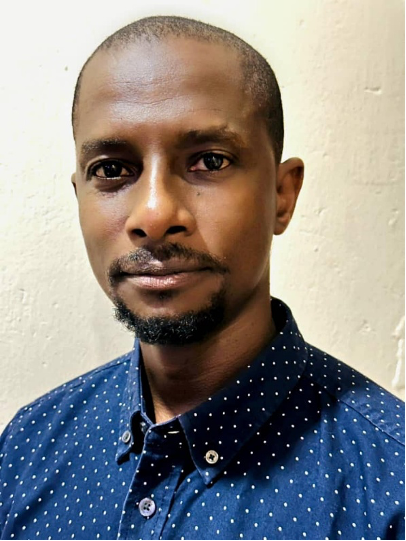
Director
Ph.D. in Geography. Reader, Department of Environmental Science. Extensive research in climate change impacts on agriculture and flood vulnerability in semi-arid regions.
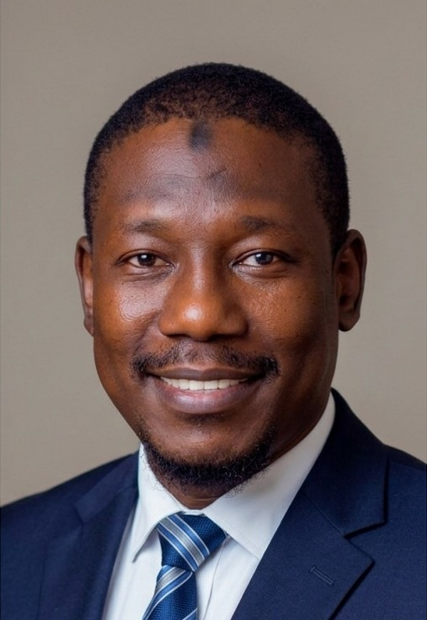
Deputy Director, Programmes & Implementation
Ph.D. in Social Sustainability. Senior Lecturer, Environmental Science. Expert in quantitative analysis and institutional monitoring and evaluation.
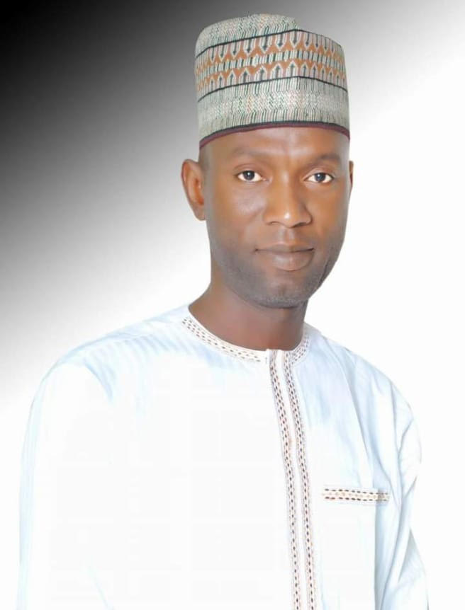
Deputy Director, Carbon Economy & Climate Finance
Ph.D. Reader, Economics & Development Studies. Academic, Consultant, and Entrepreneur specializing in energy economics, renewable energy, and sustainable finance.
Centre Officer
Senior Assistant Registrar. Bringing extensive administrative experience to coordinate the Centre's daily operations and management.
National, Regional, and Global Frameworks
| Framework | CCSCE Contribution |
|---|---|
| Nigeria Climate Change Act 2021 | Supports the National Council on Climate Change by generating carbon market data, piloting projects aligned with the national carbon registry, and training designated officers. |
| Nigeria’s Nationally Determined Contributions (NDCs) | Carbon sequestration activities designed to contribute verifiable emission reductions toward the 20% unconditional / 47% conditional target. |
| National Environmental Policy | Projects embed environmental impact assessment, biodiversity protection, and sustainable resource use. |
| Emerging Carbon Market Regulations | Carbon asset development follows Verra/Gold Standard methodologies feeding into Nigeria's Article 6 framework. |
| ECOWAS Climate Strategy | Focus on transboundary resilience and regional climate finance readiness, with knowledge sharing across ECOWAS member states. |
| African Union Agenda 2063 | Green enterprise incubation advances inclusive growth; environmental intelligence supports Africa's climate-resilient future. |
| Great Green Wall (GGW) Initiative | Direct implementation support through land restoration in GGW front-line States. Carbon finance sustains GGW gains. |
| Sahel Climate Initiatives | The Sahel Environmental Data Lab (SEDAL) and early warning systems provide regional public goods. |
| Paris Agreement (Articles 4, 6, 7, 13) | Transparency in MRV, adaptation communication, and cooperative approaches via carbon credit issuance. |
| Sustainable Development Goals (SDGs) | Focus on SDG 13, 15, 1, 2, 6, 8, 9, 7, 5, and 17. |